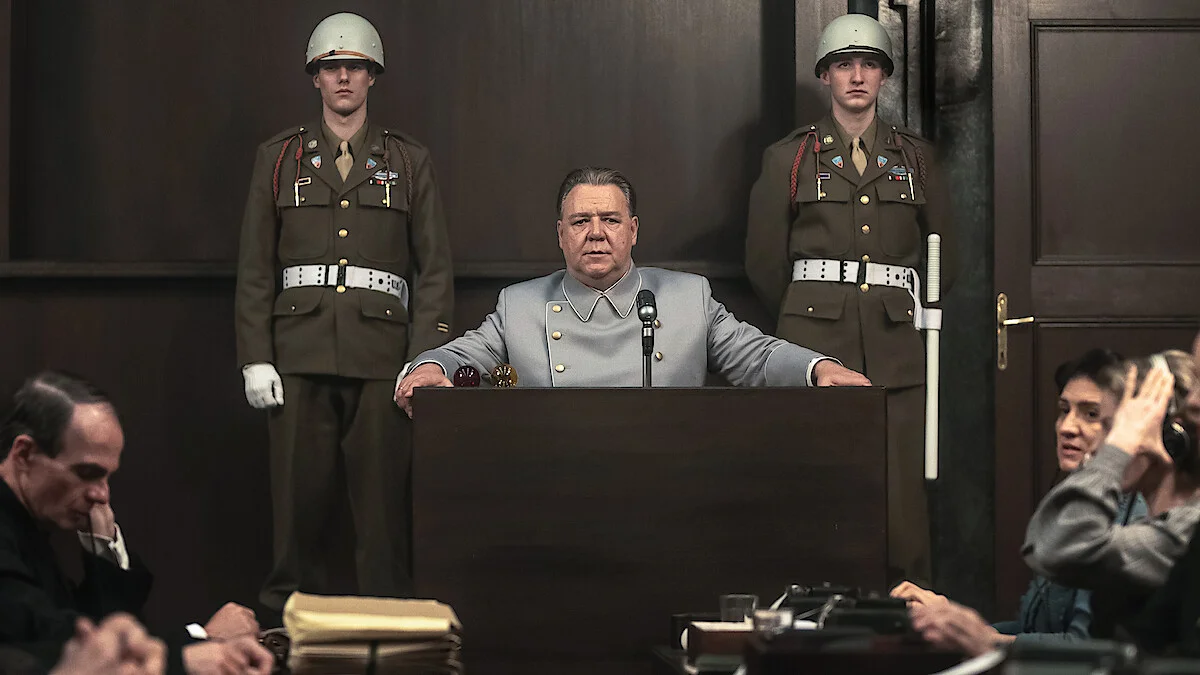
The end of World War II presented the Allied powers with an unprecedented challenge: what to do with Nazi leaders responsible for some of history's worst atrocities? Rather than execute them summarily, the victors chose a path that would reshape international justice. The Nuremberg Trials, held between November 1945 and October 1946, established a revolutionary precedent by holding individuals—not just states—accountable for war crimes on a global stage. This landmark decision created the legal framework that underpins modern international criminal law and continues to influence how the world addresses mass atrocities today.
A New Model for Justice
The Nuremberg Trials represented a historic departure from how victors had traditionally dealt with defeated enemies. Rather than pursuing vengeance through execution or summary judgment, the Allied powers—the United States, Soviet Union, United Kingdom, and France—established an international tribunal to prosecute 22 Nazi leaders for crimes against humanity, war crimes, and crimes against peace. This marked the first time an international court had been convened to hold individuals directly accountable for grave violations of international law.
The shift from revenge to legal accountability was deliberate and significant. US Secretary of War Henry Stimson championed this approach, arguing that formal legal proceedings would provide legitimacy and establish lasting precedent. Planning for such a tribunal had begun well before the war's conclusion, with the Moscow Conference of foreign ministers in October 1943 producing the Declaration of Atrocities. This declaration committed the leading Allied powers to prosecuting major war criminals once fighting ceased, marking the first unified Allied commitment to individual accountability for war crimes.
Why Nuremberg?
The choice of Nuremberg as the trial site was neither accidental nor purely symbolic. The Bavarian city held profound significance as the location of the Nazi Party's notorious annual rallies, where Hitler had consolidated power and spread his ideology. By selecting Nuremberg for the trials, the Allies sent a powerful message: this was where Nazism had been celebrated, and this was where it would be judged and condemned.
Beyond symbolism, practical considerations made Nuremberg ideal. The city possessed a large, relatively undamaged courthouse—the Palace of Justice—along with adequate prison facilities capable of housing high-ranking Nazi defendants. Courtroom 600 became the stage for these historic proceedings. Geographically, Nuremberg's location within the newly designated US-occupied zone of Germany added another layer of significance, particularly given the emerging tensions between Allied powers in the post-war period. The choice reflected both ideological commitment and strategic positioning in an increasingly fractured alliance.
The Scale of Accountability
The crimes being prosecuted were almost incomprehensible in scale. Nazi Germany orchestrated the systematic murder of approximately 16 million people between 1933 and 1945. This included the Holocaust, in which six million Jews were systematically exterminated, alongside political prisoners, disabled individuals, and various minority groups. The sheer magnitude of these atrocities created an urgent need for accountability that transcended traditional legal frameworks.
Previous international agreements, such as The Hague and Geneva Conventions, had established norms for warfare but focused on state-level conduct rather than individual criminal responsibility. Nuremberg changed this fundamentally. By prosecuting individuals for orchestrating mass murder, the trials established that no person—regardless of rank or authority—stood above international law. This principle would echo through subsequent decades, influencing how the world addressed mass atrocities in places ranging from the Balkans to Rwanda to Cambodia.
A Psychiatric Dimension
The trials also introduced an unusual element: psychiatric evaluation of the defendants. US Army psychiatrist Douglas Kelley was tasked with assessing the mental health of the Nazi leaders before trial. His work with Hermann Göring, Hitler's second-in-command, proved particularly revealing. Kelley's interviews suggested that Göring was a highly intelligent narcissist who believed he would escape consequences for his actions. These psychological assessments provided insights into the minds of those who had orchestrated genocide, contributing to understanding how ordinary structures of authority could be corrupted to commit extraordinary evil.
Legacy and Modern Implications
The Nuremberg framework established principles that remain foundational to international criminal law today. The trials demonstrated that accountability for mass atrocities need not rest on military victory alone but could be grounded in legal procedure and international consensus. This model influenced the creation of subsequent international tribunals, including those for the former Yugoslavia and Rwanda in the 1990s, and contributed to the establishment of the International Criminal Court in 2002.
For Australia, understanding Nuremberg's significance carries particular weight. As a nation that participated in World War II and maintains commitments to international law and human rights, Australia has consistently supported international accountability mechanisms. The principles established at Nuremberg—that individuals bear responsibility for crimes against humanity, that international cooperation can deliver justice, and that legal process matters—remain relevant as the world grapples with contemporary conflicts and allegations of war crimes.
The Precedent That Endures
The Nuremberg Trials concluded in October 1946, but their impact extended far beyond that moment. By choosing law over vengeance, the Allied powers created a template for addressing mass atrocities that prioritised legitimacy and lasting precedent. The trials sent a clear message to would-be dictators: power offers no immunity from accountability under international law.
The proceedings also demonstrated that understanding the psychology and motivations of those who commit atrocities could serve justice. By examining not just what perpetrators did but why they believed they could act with impunity, the trials contributed to a more sophisticated understanding of how authoritarian systems function and how they can be dismantled through law rather than force alone.
Related Articles
- Byron Bay Bluesfest collapses into liquidation owing $5.7m as ticket sales falter
- School Safety Incident Highlights Compliance Costs and Operational Risks for NSW Educators
- Hawthorn's dominant MCG victory signals shift in AFL power dynamics as Essendon struggles deepen
The Nuremberg Trials represented a watershed moment in international justice, establishing that individuals—not merely states—could be held accountable for crimes against humanity. By pursuing legal accountability rather than summary execution, the Allied powers created a framework that has influenced how the world addresses mass atrocities for nearly 80 years. The trials proved that international cooperation, legal procedure, and commitment to accountability could deliver justice on an unprecedented scale. As contemporary conflicts continue to raise questions about war crimes and crimes against humanity, the principles established at Nuremberg remain as relevant as ever, reminding us that the rule of law offers a more durable path to justice than vengeance.