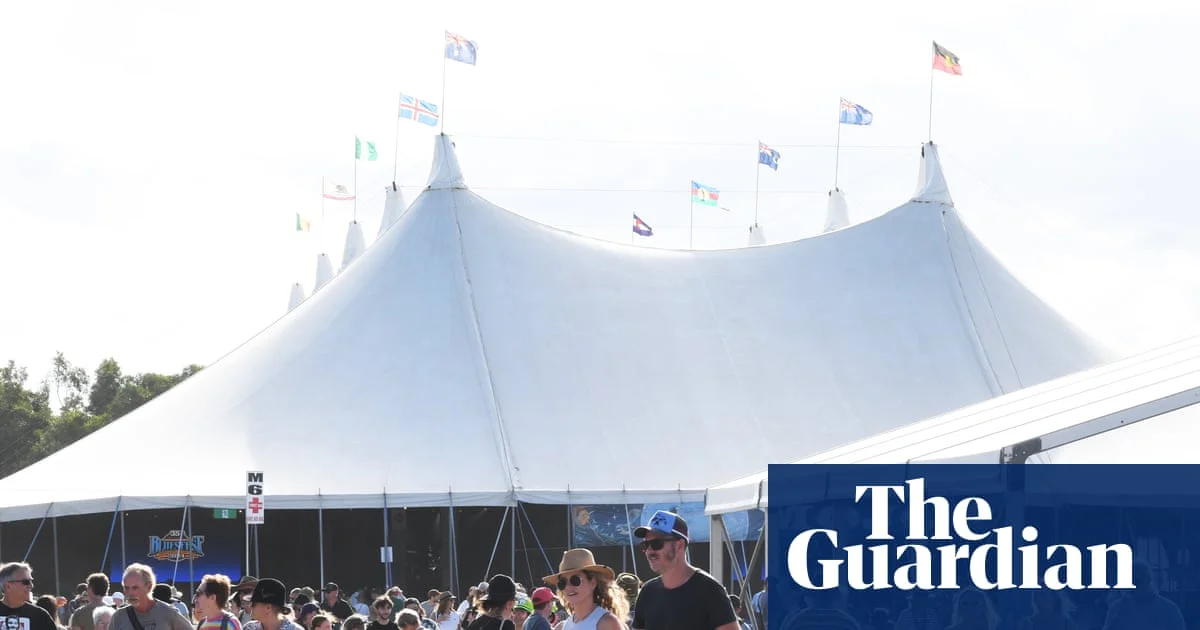
Byron Bay's iconic Bluesfest has been cancelled just weeks before its gates were set to open, marking the end of more than three decades of continuous operation for one of Australia's most significant music festivals. The decision to appoint a liquidator and wind down the 36-year-old event has left ticket holders facing an uncertain path to refunds, with the festival now owing creditors $5.7 million.
A Perfect Storm of Rising Costs and Weak Demand
Festival director Peter Noble attributed the cancellation to what he described as a "perfect storm" of mounting financial pressures that made the 2026 event financially unviable. The organisation cited soaring production costs, escalating logistics expenses, rising insurance premiums, and increased touring costs as key factors that squeezed the festival's operating margins.
Beyond the direct cost pressures, the festival pointed to broader uncertainties affecting the live music sector, combined with a noticeable decline in ticket demand for this year's event. The combination proved impossible to navigate, forcing organisers to make the difficult decision to cancel rather than proceed with an event that would not meet the standards expected by audiences, artists, and partners.
The Liquidation Problem for Ticket Holders
The appointment of a liquidator fundamentally changes the situation for the approximately 40,000 people who purchased tickets to the festival. Rather than receiving automatic refunds through ticketing agencies as occurs with standard festival cancellations, ticket holders have become unsecured creditors in a formal administration process.
This distinction carries significant practical implications. Unsecured creditors are at the back of the queue when a company's assets are distributed, meaning ticket holders will only recover funds if anything remains after priority creditors are paid. With the festival owing $5.7 million to various creditors, the prospects for meaningful refunds appear limited.
The situation extends beyond general admission tickets. Those who purchased parking passes and camping packages are also caught in the same creditor arrangement, with no preferential treatment despite their additional expenditure.
Economic Impact on Regional NSW
The cancellation carries substantial implications for the Northern Rivers region's economy. The festival claimed that last year's event generated approximately $230 million in economic activity across New South Wales, with $130 million of that flowing directly into the Northern Rivers region.
These figures reflect the festival's role as a major tourism drawcard during the Easter holiday period. The event brought visitors to Byron Bay and surrounding areas, supporting accommodation providers, restaurants, retailers, and other service businesses that benefited from the influx of festival-goers.
The NSW government acknowledged the loss, with a spokesperson describing the cancellation as "deeply disappointing" and noting the substantial economic and cultural benefits that festivals like Bluesfest provide to regional areas. The government also indicated it is undertaking an inquiry into the viability of live music events and festivals across the state, recognising that financial sustainability has become an ongoing challenge for the sector.
A Lineup That Failed to Drive Ticket Sales
The 2026 edition would have marked the festival's 36th year and 34th iteration, having skipped two years during the COVID-19 pandemic. Despite assembling a lineup that included major international acts and significant local draws, ticket sales remained insufficient to justify proceeding.
The advertised headliners included Earth, Wind & Fire, Erykah Badu, and The Wailers, alongside Australian acts Parkway Drive. The festival had also secured a major drawcard with the 50th-anniversary reunion of Split Enz, the legendary New Zealand band that had not performed together for decades.
The failure of this calibre of lineup to generate adequate ticket sales suggests deeper market challenges than simple programming decisions. Consumer discretion in the current economic environment, combined with the rising cost of festival attendance, appears to have dampened demand even for prestigious events.
Broader Challenges for Australia's Festival Sector
Bluesfest's collapse highlights systemic pressures affecting Australia's live music and festival industry. The combination of rising operational costs, insurance expenses, and artist touring fees has compressed margins across the sector, while consumer spending on entertainment has become more cautious.
The festival's three-decade track record offered no insulation from these pressures. Established reputation and brand recognition, while valuable, proved insufficient to overcome the fundamental economics of staging a large-scale event in the current environment.
The NSW government's decision to undertake a formal inquiry into festival viability suggests policymakers recognise this extends beyond a single organisation's management challenges. The inquiry may explore potential support mechanisms, regulatory changes, or other interventions to help preserve the sector's long-term health.
Related Articles
- Matildas' Asian Cup victory secures World Cup berth and financial boost for Australian football
- From Chart-Topping Hitmaker to Australian Resident: The Financial Journey of Leo Sayer
- Georgie Gardner's Exit from Nine Marks End of Broadcasting Era—and Reveals Savvy Property Portfolio
The cancellation of Byron Bay Bluesfest represents a significant loss for Australia's music sector and regional tourism landscape. Beyond the immediate impact on the Northern Rivers economy and the complications facing ticket holders, the collapse signals deeper structural challenges affecting how festivals operate in the current economic climate. As the NSW government examines these issues through its broader inquiry, the music industry will be watching to see whether policy responses can help stabilise the sector or whether more festivals face similar pressures in coming years.