As tensions between the United States and Iran escalate into military confrontation, Australia finds itself economically enmeshed in the conflict through its defence manufacturing capabilities and intelligence infrastructure. The country's role extends far beyond political statements of support, with Australian-made components integral to weapons systems deployed in Middle Eastern operations, whilst domestic fuel supplies face pressure from regional instability. The situation raises complex questions about Australia's financial exposure to ongoing geopolitical conflict and the long-term implications for energy security and defence sector stability.
Australian Defence Manufacturing at the Centre of Conflict
Australia's defence industry has become deeply integrated into the US military apparatus, with significant manufacturing operations concentrated in Victoria. The country produces over 700 critical components for advanced fighter aircraft systems, including mechanisms essential for weapons deployment. These manufacturing capabilities mean Australian workers and companies are directly contributing to military operations in the Middle East, regardless of Canberra's official policy positioning.
The financial implications are substantial. Defence contracts represent a significant revenue stream for Australian manufacturers, and the escalating conflict could either boost demand for replacement components or disrupt supply chains if regional instability spreads. Companies involved in defence manufacturing face questions about their exposure to sanctions, supply chain disruptions, or reputational risks associated with conflict involvement.
Intelligence Infrastructure and Economic Exposure
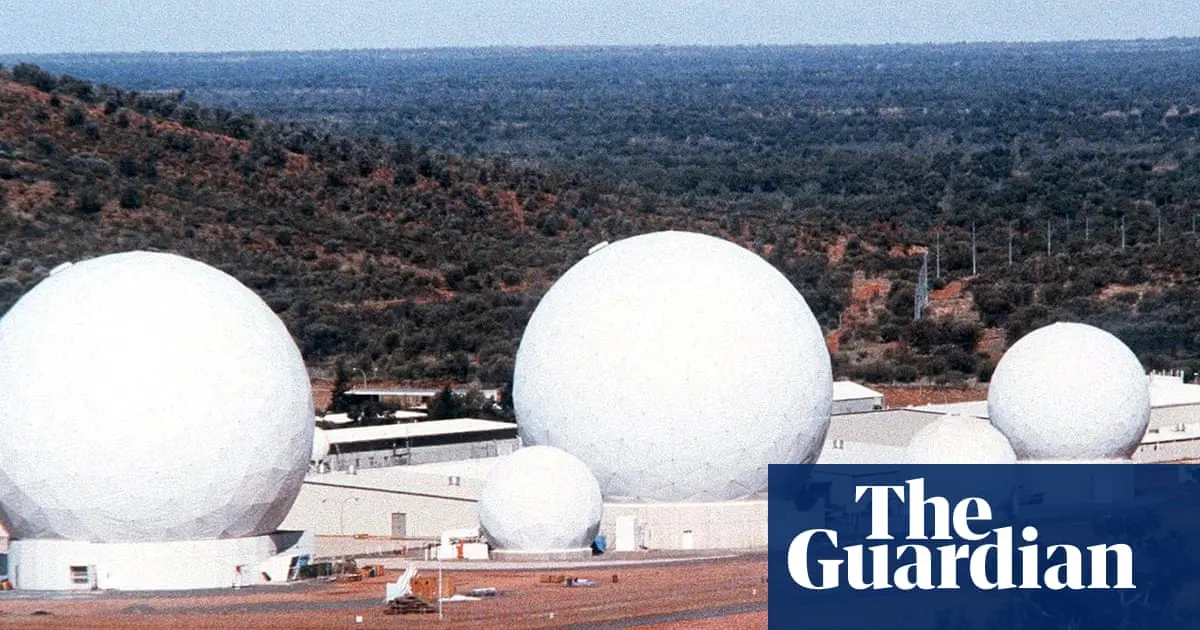
Pine Gap, the joint Australian-US intelligence facility located in the Northern Territory, plays a critical role in Middle Eastern operations. The facility processes satellite intelligence that directly supports military targeting decisions. This arrangement ties Australia's economic interests to American strategic objectives in ways that extend beyond traditional defence partnerships.
The intelligence facility represents a significant economic investment and employment hub for the region. However, its operational intensity during conflicts creates both opportunities and risks. Increased activity could justify expanded funding and infrastructure development, but it also raises Australia's profile as a participant in military operations, potentially making the country a target for retaliation or sanctions by hostile actors.
Energy Markets and Fuel Price Pressures
Australia has released diesel and petrol reserves as global oil prices surge amid the US-Iran conflict. Crude oil has climbed above $100 per barrel, with analysts warning of potential record highs if regional hostilities intensify further. This price escalation directly impacts Australian consumers and businesses, increasing transport costs and inflation pressures across the economy.
The decision to release strategic fuel reserves indicates government concern about domestic supply security and price stability. However, Australia's dependence on imported fuel makes the country vulnerable to Middle Eastern disruptions. Any further escalation could see prices rise dramatically, affecting everything from airline operations to agricultural transport costs. The timing of reserve releases suggests policymakers are preparing for a prolonged period of elevated energy costs.
Broader Financial and Reputational Considerations
Australia's involvement in the conflict creates several financial risk factors. First, there is potential exposure to Iranian retaliation or sanctions complications if the conflict expands. Second, defence contractors may face increased scrutiny from international investors concerned about ethical supply chain practices. Third, the country's reputation as a stable, neutral trading partner could be affected by perceptions of deep involvement in American military operations.
The presence of Australian personnel aboard US military vessels involved in combat operations adds another dimension. Three Australians served aboard a US nuclear submarine that participated in sinking an Iranian frigate, killing over 100 people. This direct involvement complicates Australia's ability to maintain diplomatic flexibility or claim distance from military operations.
From a financial perspective, Australia's entanglement in the conflict through multiple channels—manufacturing, intelligence, personnel, and energy policy—means the country's economic interests are now directly tied to the outcome of US-Iran hostilities. Any escalation that disrupts regional stability could have cascading effects on Australian trade, investment, and commodity prices.
Humanitarian and Social Dimensions
Beyond traditional financial metrics, Australia has granted humanitarian visas to seven members of the Iranian women's football team seeking asylum. While primarily a humanitarian matter, this reflects broader geopolitical tensions and Australia's positioning relative to Iran. The situation also highlights how regional conflicts create human displacement and asylum pressures that carry social and economic costs for receiving countries.
The temporary humanitarian visas granted to team members represent a 12-month pathway to permanent residency, similar to arrangements for Ukrainian and Afghan refugees. This commitment reflects Australia's stance but also indicates preparation for potential ongoing humanitarian flows from the region.
Related Articles
- School Safety Incident Highlights Compliance Costs and Operational Risks for NSW Educators
- Hawthorn's dominant MCG victory signals shift in AFL power dynamics as Essendon struggles deepen
- Melbourne Dad's $50 Million Powerball Win Nearly Lost to a Simple Email Mistake
<p>Australia's economic position relative to the US-Iran conflict is more complex than government statements about defensive operations suggest. Through defence manufacturing, intelligence infrastructure, personnel involvement, and energy policy responses, the country is financially and strategically enmeshed in Middle Eastern conflict dynamics. The rising cost of crude oil, pressure on fuel reserves, and potential disruptions to defence supply chains represent immediate financial concerns, whilst longer-term questions about reputational risk and geopolitical exposure remain unresolved. As the conflict continues, Australian policymakers and business leaders must carefully consider the country's economic vulnerabilities and the sustainability of current strategic arrangements.</p>